Building a house is one of the biggest investments of your life. Even a small construction mistake can lead to cracks, water leaks, structural problems, or expensive repairs in the future. The good news is that many of these problems can be prevented with proper planning, quality materials, skilled workers, and regular inspections.
Maintaining construction quality during house building does not always require a large budget. It requires careful supervision, attention to detail, and following approved construction drawings and engineering recommendations.
In this guide, you will learn simple and practical ways to maintain construction quality and build a safe, durable, and long-lasting home.
1. Start With a Clear Plan and Proper Drawings
Good construction quality starts before the first brick is laid. Hire a qualified architect and structural engineer to prepare the architectural drawings, structural design, and electrical and plumbing layouts.
- Get the necessary approved drawings and permissions before starting construction.
- Keep printed copies of the latest drawings at the construction site.
- Make sure the contractor and workers understand the drawings.
- Avoid changing the design during construction without approval from the relevant architect or engineer.
- Ensure the foundation design considers the soil conditions and the loads the building will carry.
Last-minute changes can cause construction errors, material waste, delays, and additional costs. Proper planning helps everyone work according to the same design and quality standards.
2. Choose a Trusted Contractor and Skilled Workers
The contractor plays an important role in turning your plans into a well-built home. Do not select a contractor based on the lowest quotation alone.
- Visit previously completed projects and, if possible, speak with their owners.
- Ask about the contractor’s experience, workforce, and construction methods.
- Get a written agreement covering the scope of work, material specifications, payment schedule, and deadlines.
- Hire skilled masons, electricians, plumbers, and other qualified tradespeople.
- Make sure the contractor follows approved drawings and applicable building requirements.
A reliable contractor with skilled workers can help prevent common construction defects and reduce costly rework.
3. Use Good-Quality Construction Materials
Construction materials directly affect the strength, durability, and performance of a house. Important materials include cement, steel reinforcement, bricks or blocks, sand, aggregate (crush or gravel), and water.
Cement:
Purchase cement from reliable suppliers. Check the manufacturing date, packaging condition, and storage instructions. Avoid cement that has hardened into lumps.
Steel:
Use the reinforcement grade and bar sizes specified in the structural drawings. Check for significant corrosion, contamination, and damage before use.
Bricks or blocks:
Choose units that meet the required strength and quality specifications. Check their dimensions, condition, and suitability for the intended work.
Sand and aggregate:
Use clean materials that meet the project specifications. Excessive clay, silt, salts, or other contaminants can affect concrete and mortar performance.
- Water:
Use water suitable for concrete and mortar mixing, following the relevant standards and engineering recommendations.
Pipes and electrical materials:
Select products that meet the required specifications and are suitable for their intended application.
Buy materials from reputable suppliers and keep purchase receipts, delivery records, and relevant test certificates. When necessary, ask the site engineer to arrange material testing.
4. Store Materials the Right Way
Even good-quality materials can deteriorate when they are stored incorrectly. Proper storage helps protect materials and reduce unnecessary waste.
- Store cement bags on a raised platform in a dry, covered, well-ventilated area.
- Keep cement away from moisture and use older stock first, provided it remains suitable for use.
- Store steel bars off the ground and protect them from contamination and excessive corrosion.
- Keep sand and aggregate in separate, clean storage areas.
- Protect bricks, blocks, pipes, and electrical materials from damage and contamination.
- Follow the manufacturer’s storage instructions for all construction products.
Inspect stored materials regularly and remove any damaged or unsuitable materials from use until they have been assessed.
5. Build a Strong Foundation
The foundation transfers the building’s loads to the ground. Errors at this stage can affect the safety and long-term performance of the entire house.
- Arrange a soil investigation where appropriate, particularly when soil conditions are uncertain or the building design requires it.
- Ensure excavation follows the dimensions and levels specified in the approved foundation drawings.
- Check that the soil at the foundation level is suitable and has not been disturbed or softened by water.
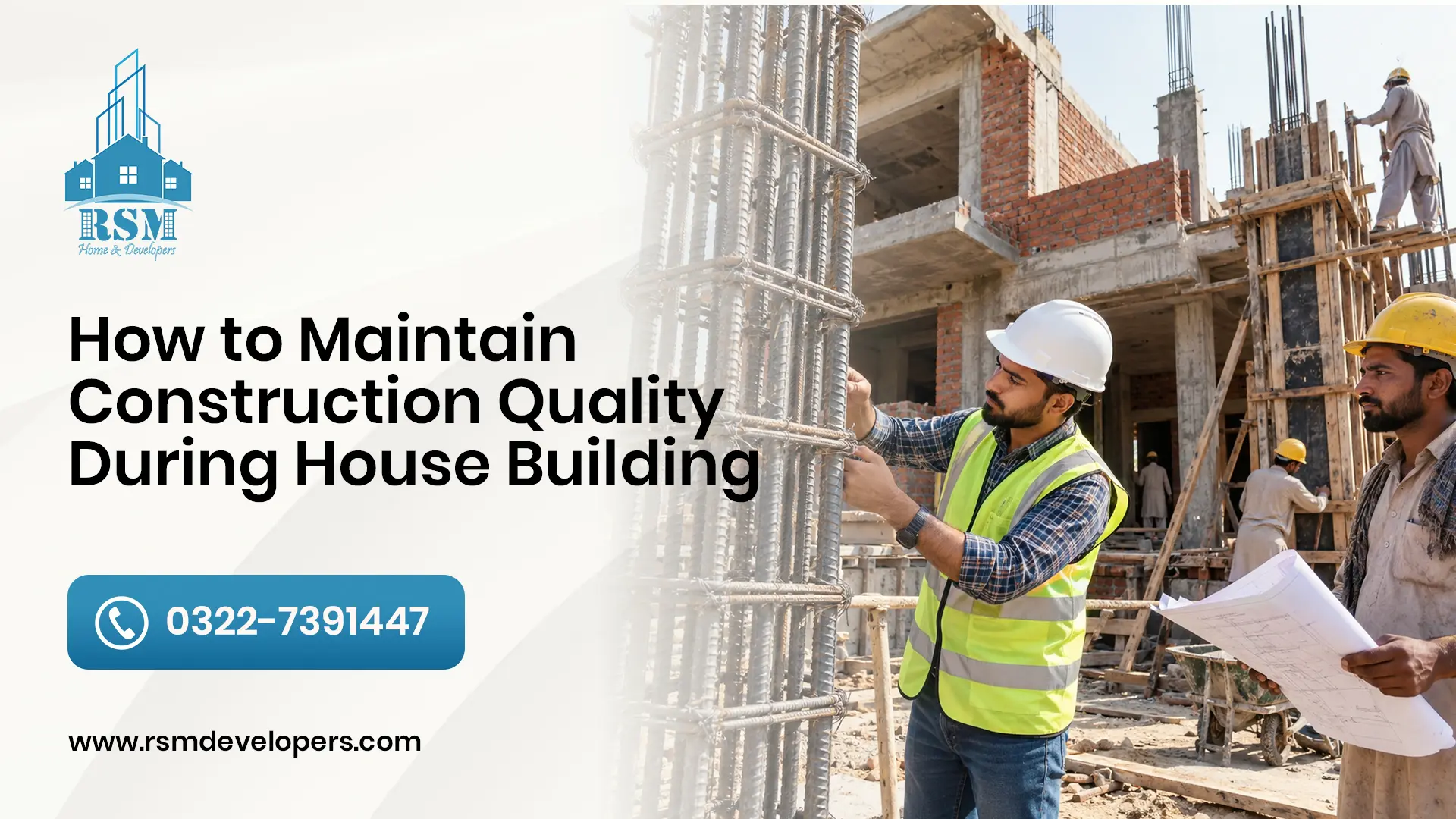
- Verify the reinforcement size, spacing, placement, and concrete cover before concrete is poured.
- Make sure formwork is stable and correctly positioned.
- Provide suitable drainage and damp-proofing measures according to the design.
- Obtain the required inspection and approval before covering the foundation or pouring concrete.
Never change the foundation depth, reinforcement, or dimensions without the structural engineer’s approval. Foundation defects can be difficult and expensive to correct after construction.
6. Get the Concrete Mix Right
Concrete is a major structural material used in foundations, columns, beams, and slabs. Its strength and durability depend on the mix design, material quality, placement, compaction, and curing.
- Follow the concrete mix design and specifications provided by the structural engineer.
- Measure cement, sand, aggregate, and water accurately.
- Use a suitable concrete mixer or an approved ready-mix supplier where appropriate.
- Avoid adding extra water at the site without authorization, as it can reduce concrete strength and durability.
- Place concrete promptly and compact it properly using suitable equipment and methods.
- Ensure the formwork and reinforcement remain in their correct positions during pouring.
- Arrange concrete sampling and strength testing when specified by the project requirements.
Concrete work should be planned before pouring begins. Ensure enough workers, equipment, and materials are available to complete the operation properly.
7. Do Not Skip Concrete Curing
Curing is the process of maintaining suitable moisture and temperature conditions so concrete can develop strength and durability. Inadequate curing can increase the risk of surface cracking and poor concrete performance.
- Start curing as soon as the concrete has hardened sufficiently to avoid surface damage.
- Use suitable methods such as water ponding, continuous sprinkling, wet coverings, or approved curing compounds.
- Follow the curing duration specified by the engineer and applicable standards.
- Protect fresh concrete from excessive heat, strong winds, heavy rain, and premature drying.
- Avoid loading or removing supports from structural concrete until the engineer’s requirements have been met.
A curing period of 7 days is commonly used as a minimum in some ordinary concrete applications, while 14 days or longer may be appropriate depending on the cement type, concrete mix, weather, and project specifications. The required duration should be determined by the applicable standards and the engineer’s instructions rather than a single universal rule.
Proper curing is an essential part of maintaining construction quality during house building.
8. Check Alignment, Levels, and Measurements
Small measurement errors can create problems as walls, floors, doors, and windows are completed. Regular checks help identify defects before they become expensive to fix.
- Check that walls are vertical and properly aligned.
- Verify floor levels and slopes, particularly in bathrooms, balconies, and roof drainage areas.
- Measure room dimensions and door and window openings against the approved drawings.
- Check column and beam positions before and during construction.
- Use appropriate tools such as a measuring tape, spirit level, plumb bob, and laser level.
- Correct deviations before proceeding to the next construction stage.
Do not rely only on visual inspection. Accurate measurements help maintain consistent workmanship and prevent problems during finishing.
9. Plan Electrical and Plumbing Work Early
Electrical and plumbing installations should be coordinated with the building design before walls are plastered or floors are finished. Poor coordination can result in leaks, electrical hazards, and unnecessary damage to completed surfaces.
- Mark pipe routes, drainage lines, and electrical conduit locations before installation.
- Use suitable pipes, fittings, cables, switches, and protective devices that meet project specifications.
- Test water supply lines and drainage systems using the appropriate methods before concealing them.
- Provide proper electrical earthing, circuit protection, and residual-current protection where required by applicable standards.
- Seal pipe penetrations and service openings appropriately to prevent water ingress.
- Photograph concealed pipes and conduits and keep updated service-layout drawings for future maintenance.
Electrical work should be checked by a qualified electrician, while plumbing installations should be inspected and tested by a competent professional.
10. Inspect the Work at Every Stage
Regular inspections help identify mistakes before they become hidden behind concrete, plaster, tiles, or paint. Do not wait until the house is finished to check construction quality.
Important inspection stages include:
1. Excavation and foundation:
Check excavation dimensions, soil conditions, and foundation preparation.
2. Reinforcement before concrete pouring:
Verify bar sizes, spacing, anchorage, laps, and concrete cover against the structural drawings.
3. Columns, beams, and slabs:
Check formwork, reinforcement, concrete placement, compaction, and curing arrangements.
4. Brickwork or blockwork:
Check alignment, levels, mortar joints, and openings.
5. Electrical and plumbing work:
Inspect installation routes and complete the required tests before covering them.
6. Waterproofing:
Check surface preparation, application, joints, and appropriate water testing before finishing.
7. Plastering and flooring:
Check surface preparation, levels, slopes, and workmanship.
8. Painting and finishing:
Check surface quality, coverage, and defects before final acceptance.
If you do not have technical knowledge, consider hiring an independent site engineer or qualified construction supervisor to inspect important stages.
Keep a written record of inspection findings and make sure identified defects are corrected before the next stage begins.
11. Focus on Waterproofing
Water penetration is a common cause of damp walls, peeling paint, damaged finishes, and deterioration of building materials. Proper waterproofing and drainage can prevent many of these problems.
- Waterproof roofs, bathrooms, balconies, basements, and other areas exposed to water.
- Prepare surfaces properly before applying waterproofing products.
- Provide suitable slopes so rainwater and wastewater flow towards the intended drains.
- Pay particular attention to corners, joints, pipe penetrations, and wall-floor connections.
- Follow the manufacturer’s application instructions and specified drying or curing times.
- Test waterproofed areas using an appropriate method before installing tiles or other finishes.
Waterproofing products should be selected according to the location, exposure conditions, and project specifications. Correct application is just as important as choosing the right product.
12. Follow Safety Rules at the Construction Site
A safe and organized construction site supports better workmanship and helps prevent injuries, damage, and interruptions.
- Provide suitable personal protective equipment, including helmets, safety footwear, gloves, and eye protection where required.
- Use properly installed scaffolding, safe ladders, and suitable fall-protection systems.
- Keep walkways clear and store materials securely.
- Protect exposed reinforcement, electrical installations, and excavation areas.
- Ensure electrical equipment and temporary wiring are installed and used safely.
- Keep first-aid supplies and emergency arrangements available.
- Make sure workers understand the relevant safety procedures.
Safety requirements should be followed throughout the project, not just during inspections.
13. Keep Records and Communicate Often
Clear communication between the owner, contractor, architect, engineer, and workers helps reduce misunderstandings and maintain quality.
- Visit the construction site regularly and review progress with the contractor.
- Take photographs of important stages, particularly reinforcement, concealed pipes, and electrical conduits.
- Keep records of material deliveries, invoices, inspections, and test results.
- Document approved design changes and variations in writing.
- Maintain a record of payments, work completed, and outstanding defects.
- Keep copies of the latest drawings and relevant product warranties.
- Record decisions and agreed deadlines so everyone understands their responsibilities.
These records are useful during construction and can help with future maintenance and repairs.
14. Do Not Rush the Construction Schedule
Finishing a house quickly should never come at the expense of construction quality. Rushed work can lead to poor concrete curing, incomplete waterproofing, uneven plastering, and premature painting.
- Allow sufficient time for each construction stage.
- Follow the specified curing periods for concrete and other cement-based materials.
- Allow plaster, screed, waterproofing, and other products to dry or cure as required.
- Do not conceal work before the required inspections and tests are complete.
- Coordinate different trades to avoid damaging completed work.
- Resolve quality issues before proceeding with the next stage.
A realistic schedule helps reduce rework, control costs, and improve the durability of the finished house.
Common Mistakes to Avoid
Avoiding common construction mistakes is an important part of maintaining construction quality during house building.
- Choosing a contractor based only on the lowest price.
- Using materials that do not meet the required specifications.
- Storing cement and other materials in damp or unsuitable conditions.
- Changing structural details without engineering approval.
- Adding excessive water to concrete.
- Skipping proper concrete curing.
- Covering pipes or reinforcement before inspection and testing.
- Ignoring waterproofing and drainage requirements.
- Rushing construction and finishing work.
- Failing to maintain inspection records and approved drawings.
Preventing these mistakes is generally easier and less expensive than repairing defects after the house is completed.
Conclusion
Maintaining construction quality during house building requires proper planning, reliable contractors, suitable materials, skilled workmanship, and regular inspections. Paying attention to foundations, concrete mixing, curing, waterproofing, and electrical and plumbing installations can help prevent common defects and expensive repairs.
Stay involved in the construction process, keep clear records, and consult qualified professionals whenever technical decisions are required. Most importantly, make sure every stage follows the approved drawings, project specifications, and applicable building standards.
A carefully planned and properly supervised house is more likely to remain safe, durable, and comfortable for many years.
Frequently Asked Questions
1. What is the most important thing for good construction quality?
Good construction quality depends on several factors, including a suitable structural design, quality materials, skilled workmanship, and regular inspections. Proper foundation construction, concrete placement, curing, and waterproofing are also essential.
2. How often should I visit my construction site?
Visit regularly according to the project’s progress and arrange inspections at critical stages. Pay particular attention to foundation preparation, reinforcement before concrete pouring, plumbing and electrical installations before concealment, and waterproofing before finishing. If you cannot attend regularly, arrange for a qualified site supervisor to monitor the work.
3. How can I check if cement or steel is good quality?
Purchase materials from reputable suppliers and check packaging, manufacturing details, storage conditions, and product specifications. Cement should be free from hardened lumps, while steel reinforcement should match the specified grade and dimensions. Ask your engineer to arrange testing when required.
4. Should I hire a site engineer or supervisor?
Hiring a qualified site engineer or experienced construction supervisor is beneficial, particularly if you do not have technical knowledge. They can check workmanship, review construction against approved drawings, coordinate inspections, and identify problems before they become expensive to correct.
5. How long should concrete be cured?
Concrete curing duration depends on the mix, cement type, weather, and applicable standards. Seven days is a common minimum for some ordinary concrete applications, while longer periods may be needed to achieve the required performance. Always follow the structural engineer’s instructions and project specifications.